
The evolution of gambling through the ages A historical perspective
The Origins of Gambling
The roots of gambling can be traced back to ancient civilizations, where evidence suggests that games of chance were prevalent. Archaeological findings reveal that the earliest known dice, dating back to around 3000 BC, were used in Mesopotamia. These primitive forms of gambling served not just as entertainment but were often intertwined with religious and cultural practices, reflecting the societal values of the time. Today, there are numerous options, including new online casinos that continue this age-old tradition.

As societies evolved, so did the methods and motivations for gambling. The ancient Chinese, Egyptians, and Greeks all participated in various forms of betting, from simple games to elaborate betting systems. Gambling in these cultures often indicated one’s status and wealth, with higher stakes reflecting a person’s societal standing.
The Middle Ages and the Rise of Gambling Houses
The Middle Ages marked a significant transition in gambling activities, as the establishment of dedicated gambling houses began to emerge. During this period, gaming was a popular pastime among nobility, leading to the development of organized games like chess and backgammon, which were played for stakes. These early gambling establishments were typically informal and often operated in taverns or private homes.
However, with the advent of the Renaissance, gambling gained a more structured framework. The first official casinos emerged in Italy, setting the stage for a more regulated approach to betting. This shift allowed for clearer rules and standards, and the casino concept began to spread across Europe, attracting both the wealthy and the common folk.
The 19th Century and Legalization Trends
The 19th century saw a dramatic change in the perception and legalization of gambling. As industrialization progressed, gambling became more mainstream, leading to the establishment of horse racing tracks and lotteries. Governments began to recognize the potential tax revenue from regulated gambling, prompting a wave of legalization across various states and countries.
During this period, iconic gambling games such as poker and blackjack gained popularity in the United States, especially during the Gold Rush era. This blend of chance and skill captured the public’s imagination, paving the way for the flourishing gambling culture that we see today. The social dynamics of gambling also evolved, with more diverse groups participating in gaming activities.
The Digital Revolution and Online Gambling
The late 20th century ushered in the digital revolution, fundamentally altering the gambling landscape. The introduction of the internet enabled the emergence of online casinos, allowing players to access a vast array of games from the comfort of their homes. This innovation made gambling more accessible than ever, attracting a global audience.
Online gambling platforms have since evolved to incorporate advanced technology, offering live dealer games and a rich selection of slots and table games. The rise of mobile gambling has further transformed how players engage with games, ensuring that the industry remains adaptive and relevant in a fast-paced digital world.
Modern Gambling and the Future
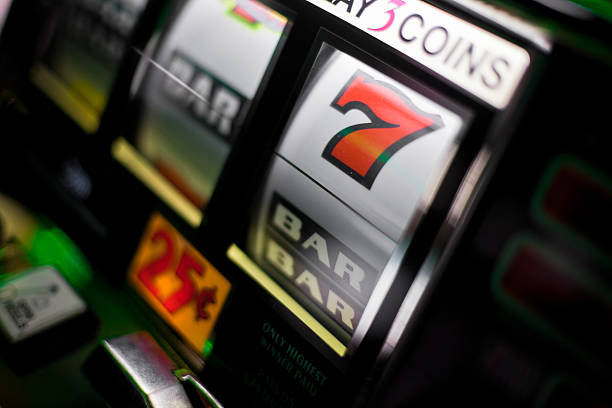
Today, gambling is a multi-billion dollar industry that continues to innovate. The integration of cryptocurrencies, virtual reality, and artificial intelligence is reshaping the way players experience gaming. Online casinos now cater to diverse preferences, offering personalized gaming experiences that enhance user engagement.
As the gambling landscape evolves, it becomes imperative for players to remain informed about the latest trends and platforms. Our website provides comprehensive reviews, expert guides, and exclusive promotions, ensuring that both seasoned gamblers and newcomers can navigate this dynamic industry effectively. Whether you are looking for the best games or the ideal platform, we strive to help you make the most informed choices in your gambling journey.
