
Understanding the psychology behind gambling What drives our risky behaviors
The Allure of Gambling
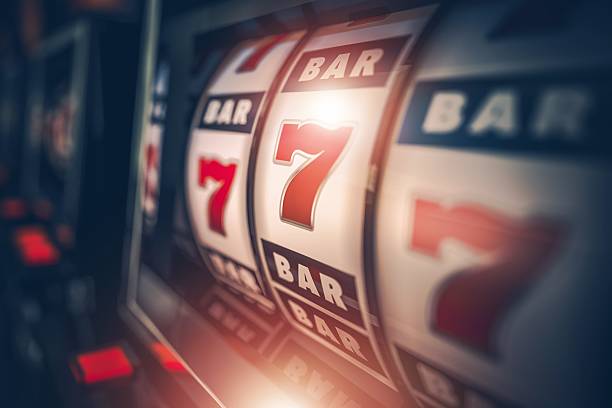
The world of gambling captivates individuals from all walks of life, drawing them into a realm filled with excitement and unpredictability. At its core, gambling offers an adrenaline rush, a momentary escape from the mundane. This allure stems from the thrill of potentially winning large sums of money, often overshadowing the risks involved. Many players seek opportunities in unexpected places, such as exploring slots game real money, hoping to strike it rich in an instant becomes an enticing dream, one that many are willing to chase despite the odds.

This attraction is not purely financial; it taps into deeper psychological needs such as the pursuit of excitement and the desire for social interaction. Many people find camaraderie in casinos or online platforms, where shared experiences enhance the thrill. The ambience, music, and visuals create an engaging environment that heightens emotional responses, further fueling the desire to gamble.
The Role of Cognitive Biases
Cognitive biases significantly influence our decision-making, particularly in gambling scenarios. Many gamblers fall prey to the « gambler’s fallacy, » believing that past results affect future outcomes. For instance, someone may think that after several losses, a win is due, leading them to continue betting in hopes of a turnaround. This faulty reasoning can result in significant financial losses as individuals chase their perceived luck.
Additonally, the « illusion of control » plays a crucial role. Many gamblers believe they can influence the outcome of games of chance through skill or strategy, despite the inherent randomness. This illusion fosters a sense of confidence that can propel individuals to engage in riskier behaviors, often ignoring the reality that chance governs most gambling outcomes.
Emotional Factors in Gambling
Myths and Misconceptions About Gambling
Conclusion and Understanding Responsible Gambling
« `
